Table Of Content
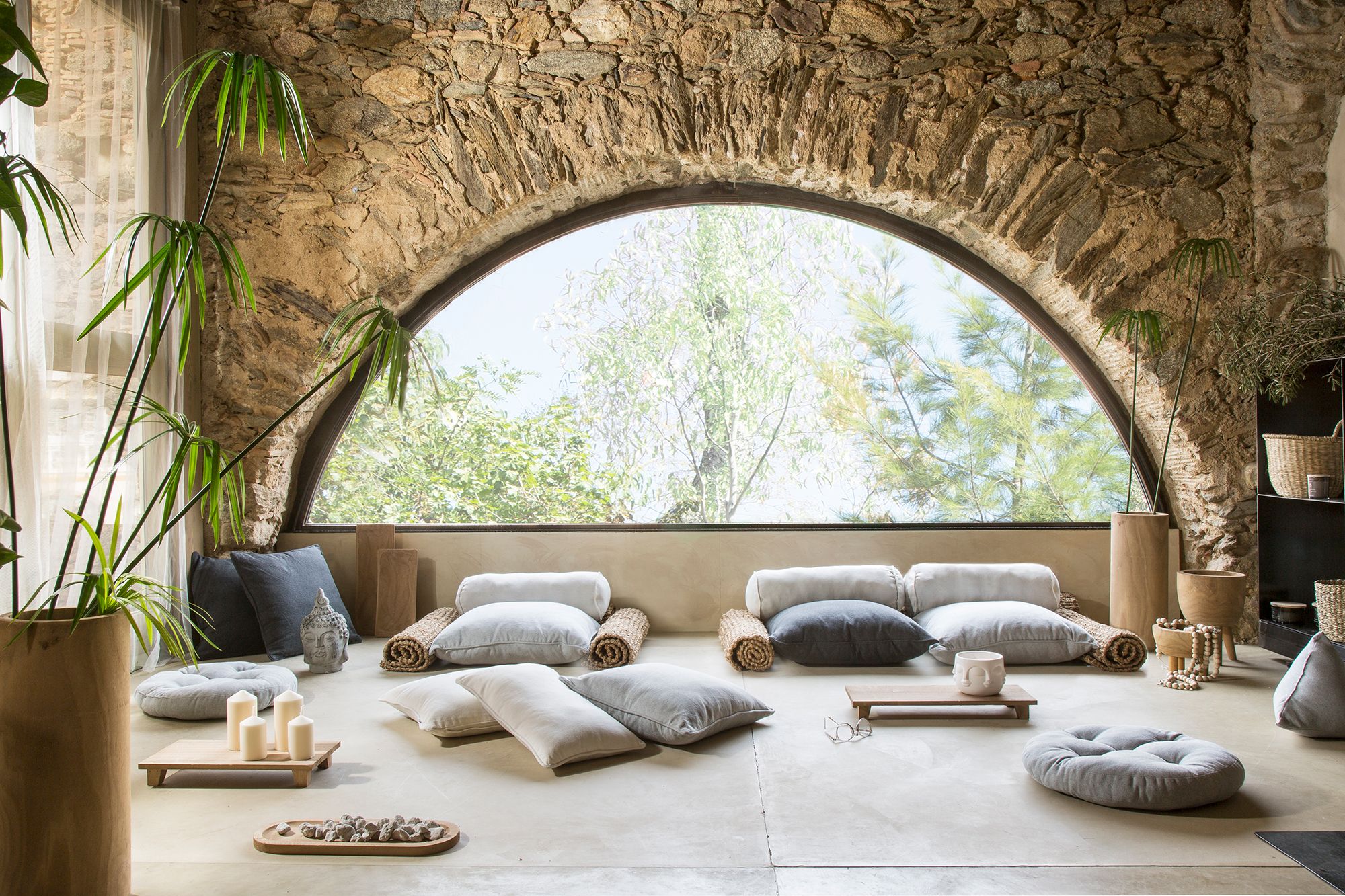
It's about finding joy in the everyday and celebrating the beauty in the things around us. So, when designing your Wabi-Sabi space, take the time to slow down, appreciate the small things, and create a home that reflects your values and your unique perspective. At the end of the day, your efforts will be rewarded with a sanctuary that not only looks beautiful but nourishes your mind, body, and soul. Another mainstay of both Japanese and minimalist interiors is an appreciation for natural textures, colors, and elements. This speaks to the wabi in wabi-sabi design, with nature serving an important role in the pursuit of solitude and serenity. Finding peace in imperfections doesn’t mean letting your space get away from you.
What is the Japanese 'wabi-sabi' aesthetic actually about? 'Miserable tea' and loneliness, for starters - The Conversation Indonesia
What is the Japanese 'wabi-sabi' aesthetic actually about? 'Miserable tea' and loneliness, for starters.
Posted: Tue, 12 Mar 2024 07:00:00 GMT [source]
Follow the Rhythms of Nature – behance
In the bathroom, choose natural materials such as stone or wood for accent wall ideas. Add a few natural accents such as a wooden stool or a potted plant to bring in a sense of warmth and tranquility. Lighting over mirrors in a Wabi Sabi bathroom may take the form of ceiling lamps enhanced by natural lighting. Compared to the other homes that use wabi-sabi interior design, you might have noticed the different take on colour palettes in this condo. While most wabi-sabi style homes try to incorporate earthy palettes, you don’t entirely have to miss out an accent colour either. You can use calming shades of blue to soften and complement natural shades like brown.
Add Cozy Throw Pillows
Their individual variations and imperfections reflect the personal creative journey rather than uniform perfection. Items like hand-thrown ceramics with slight warping or one-of-a-kind fiber wall hangings encapsulate Wabi-Sabi’s celebration of uniqueness. Wabi-Sabi spaces may incorporate plaster walls with visible trowel marks, undyed linen with a rough, textured drape, or ceramics with uneven glazes and cracks from the firing process. The irregular surface of an unglazed clay vessel or the subtle fiber variations in an undyed hemp rug bring an intimate, tactile beauty to a space. "Sabi, on the other hand, refers to what happens with the passage of time; it's about transience and the beauty and authenticity of age."
Ilhana Asymmetrical Wood Wall Mirror
Nothing adds a vibrant contrast to all-white interiors like some fresh plants! What’s more, adding greenery to your space is another principle of wabi-sabi interior design that borrows from the use of natural elements. Invest in beautiful utilitarian objects so that your home is not filled with things that just occupy space, but also serve a purpose.
#7: Clean, All-White Interiors Take Centre Stage in This 3-Room BTO
A major tenet of wabi-sabi is appreciating natural imperfections, and what better teacher than Mother Nature? According to Harrison, a big component of wabi-sabi is connecting with the earth by decorating with organic materials like wood and stone. If natural accents like wooden stools or coffee tables feel too traditional for you, Harrison suggests pairing wood with metal or dark slate-like materials for a more modern look. Incorporating fresh flowers, plants, and gemstones are other easy ways to bring the outside indoors. A simple floral arrangement with few stems, for example, focuses on individual flowers and shows off their unique shapes. Wabi-Sabi, the Japanese concept of finding beauty in imperfection and simplicity, has been gaining popularity in the world of interior design.
e. Keep It Simple
Instead, aim for a cozy, lived-in look that gives off a feeling of warmth and homeliness. While there is room for interpretation, there are formal principles behind wabi-sabi. “According to Zen’s philosophy, there are seven key elements for achieving wabi-sabi,” says Shanty Wijaya of ALLPRACE, a home design, build, and landscape firm. Rather than disguising imperfections, the natural weathering and worn patinas of materials are highlighted and embraced. Ditch the drive for perfection and turn to this Japanese philosophy of finding beauty in imperfection to guide your decor decisions. Decorilla emerged in 2010 when a group of passionate interior designers envisioned a platform to connect clients with top-notch design expertise.
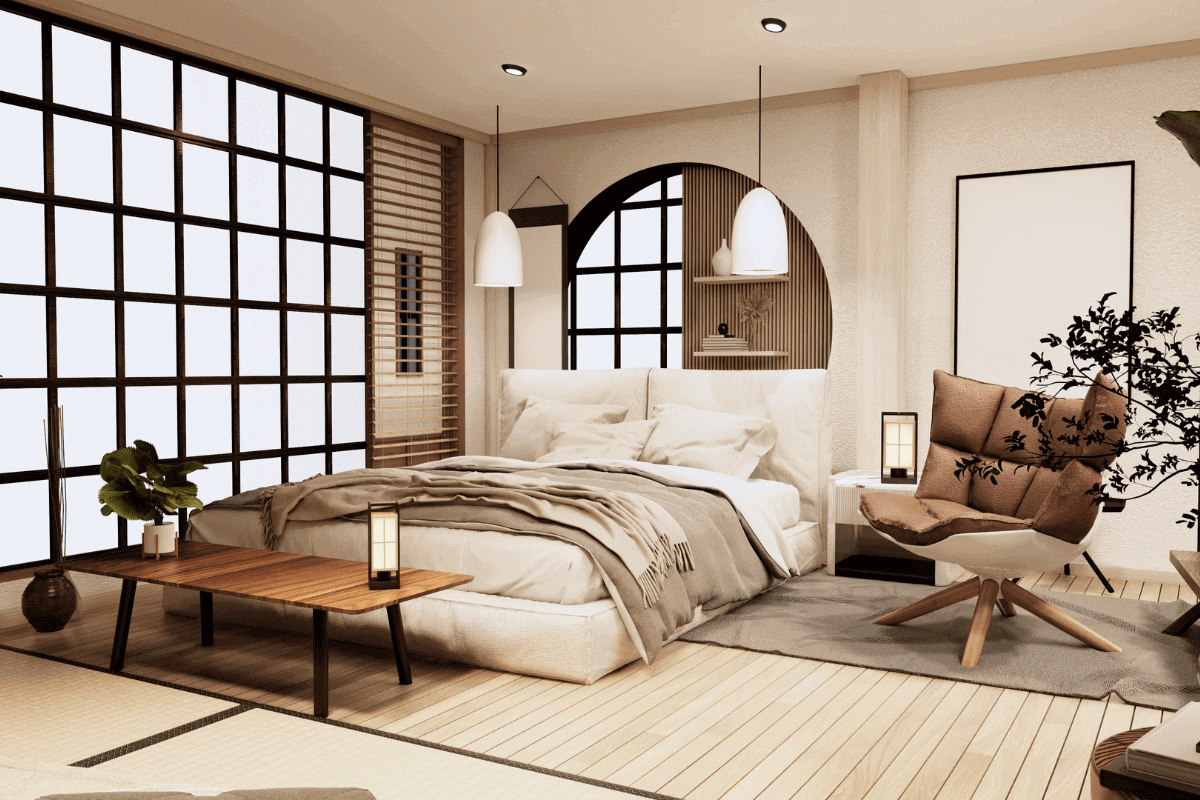
Integrating Wabi-sabi Lifestyle through Interior Design
What is Wabi Sabi? Interior tips to channel this 'simplistic' design ethos into home decor - Hindustan Times
What is Wabi Sabi? Interior tips to channel this 'simplistic' design ethos into home decor.
Posted: Mon, 25 Mar 2024 07:00:00 GMT [source]
The unique imperfection of this building is what makes this a tourist attraction. People tend to value the uniqueness of any design that has occurred naturally. Leo Lei translates his passion for minimalism into his daily-updated blog Leibal. In addition, you can find uniquely designed minimalist objects and furniture at the Leibal Store. When it comes to interior design, there are countless styles to choose from, but few are quite as captivating and intriguing as Wabi Sabi style. Originating in Japan, this lifestyle has been around for centuries, but has only recently gained popularity in the western world.
Wabi Sabi interior designs often feature sparse furniture arrangements and open floor plans, which create a sense of spaciousness and allow natural light to flow freely. So, earthy tones or pastels are always a good choice for your wardrobes and walls. Just look at the colours in this room, the shades of green and beige are perfect examples of colour scheme supporting wabi-sabi.
The ‘enso’ Wabi-Sabi symbol is used to depict the concept, which comprises an unfinished circle created as part of an infinite stroke or motion, typically made using black ink. In this respect, the idea of wabi-sabi involves the understanding that each thing on this planet, whether living or not, ages with grace, and becomes more beautiful as it breaks, fades, or scars. It is the understanding that old and worn out things have their own elegant charm. Belgian interior architect Arjaan De Feyter is another prominent proponent of wabi-sabi design, as seen in his renovation of this apartment that occupies the former silos of a distillery outside Antwerp. Traditional Japanese materials sit alongside contemporary finishes at this house in Tokyo designed by Cubo Design Architects. Barcelona studio Colombo and Serboli Architecture sought to highlight the "imperfect" features of this apartment in a renovation project.
The fading autumn leaves, a crack in a vase, or the bare, rugged wood, all tell tales of time, of existence, of the beautiful cycle of creation and decay. "Japandi style tends to really push for perfection. Wabi sabi can be embraced with any aesthetic style and applied as a discipline within it," she explains. While trends such as quiet luxury and low-key luxe have dominated interiors throughout 2023, designers suggest that wabi-sabi could become a key trend in the design world in 2024. With its ability to set a calming atmosphere that provides quiet from the outside world, this trend is appealing for its restorative appeal. We spoke to a handful of experts who have mastered the art of wabi-sabi to get their best insights on how to adopt a more peaceful and authentic sense of being at home.
"Embrace the imperfections—install the one-floor board with a defect on it. Let the chipped tile go in," Struck says. "Let it be a reminder to you that nothing in life is perfect and that is perfectly okay." Find inspiration through this collection of modern wabi-sabi design projects, filled with inspirational images that celebrate this simplistic design style. He helped forge a new path for the tea ceremony, departing from an exuberant and luxurious practice to a more refined, intentional ritual, one that embraces a minimalist setting and simple utensils.


No comments:
Post a Comment